How Revenue Sharing Became Reality
NCAA revenue sharing is the result of landmark antitrust litigation challenging the NCAA’s long-standing ban on directly compensating athletes. In House v. NCAA, current and former Division I athletes argued that the NCAA unlawfully restricted athletes from profiting off their name, image, and likeness (NIL).
The resulting settlement fundamentally changed college sports. As of July 1, 2025, Division I schools may now distribute a portion of their athletics-generated revenue directly to athletes. This marks the first time schools can legally pay athletes using institutional revenue rather than limiting compensation to scholarships or third-party NIL deals.
While this shift opens the door to new earning opportunities, it also brings important legal and financial considerations that athletes and their families need to understand.
Below is a clear overview of what NCAA revenue sharing means, how it differs from NIL, and what athletes should watch for as college sports continue to evolve.
1. What Just Changed?
Beginning in the 2025–26 academic year, Division I schools may choose to participate in a new revenue-sharing model that allows them to compensate athletes directly using revenue generated by their athletic programs, including funds from television contracts, ticket sales, and sponsorships.
Participating schools may distribute up to approximately $20.5 million per year to their athletes. Rather than equal payments, schools now determine how to allocate that budget by valuing athletes based on sport, role, experience, and on-field contribution. As a result, athlete compensation may vary widely across teams and programs.
This marks a fundamental shift in college athletics. Athletes are no longer compensated solely through scholarships and NIL opportunities. Schools may now enter formal compensation agreements often known as “rev-share agreements” that carry legal, financial, and eligibility considerations athletes did not previously face.
2. How Is Revenue Sharing Different from NIL?
Although revenue sharing and NIL are often discussed together, they are fundamentally different forms of compensation.
- NIL deals are agreements between athletes and outside companies or collectives. Athletes earn money for endorsements, appearances, and/or social media use.
- Revenue sharing is money paid directly by the school to the athlete from revenue generated by the athletes.
Importantly, athletes may receive both NIL compensation and revenue-sharing payments at the same time, which means they could be managing multiple contracts simultaneously.
3. Who Is Eligible for Revenue Sharing?
All Division I athletes are eligible to receive revenue-sharing, but not all schools will opt into the model, and not all athletes will receive payments. Participation is expected to be concentrated among larger Division I programs, especially those within the Power Five conferences.
Each school must decide:
- Whether to opt in
- Which athletes qualify
- How much compensation is allocated
Some schools may distribute payments broadly, while others may focus payments on revenue-generating sports like football and basketball.
4. Why This Matters for Recruits and Parents
Revenue sharing is now a part of the recruiting and transfer decision-making process. Athletes must consider:
- Potential revenue-sharing allocation
- NIL opportunities
- Scholarship structure
- Long-term financial and academic stability
With increased earning opportunities comes increased complexity. Agreements are often presented under tight timelines, particularly during recruitment and transfer windows, leaving little room for careful review.
Having legal counsel is essential to ensure athletes fully understand their rights and obligations, identify potential risks, negotiate fair terms, and avoid provisions that could impact eligibility, future opportunities, or long-term financial well-being.
5. Contract Considerations: Transfers, Representation, and Injury Protections
Revenue-sharing and NIL agreements are contracts, and their terms can have significant consequences if an athlete’s circumstances change.
Key questions athletes should consider:
- Does compensation stop if the athlete enters the transfer portal?
- Does the rev-share or NIL agreement require repayment if the athlete transfers or is injured and unable to compete for the rest of the season?
Because the terms of these agreements differ widely from school to school and contract to contract, athletes and their families should carefully review how compensation is handled in the event of a transfer, injury, or any change in athletic status.
6. Other Key Compliance and Financial Considerations
- Revenue-sharing payments are taxable income, not scholarships.
- Athletes must continue to meet all NCAA and institutional eligibility requirements, and their NIL agreements cannot be structured as pay-for-play.
- Each school sets its own policies for revenue sharing and NIL, so the rules, payment structures, and eligibility requirements can vary significantly from one program to another.
Final Takeaways
NCAA revenue sharing marks a major shift in college athletics, allowing athletes to earn direct income from their schools alongside NIL opportunities. While these new opportunities can be significant, they often come with contractual obligations, legal consequences, and financial considerations. Understanding how compensation may change in the event of a transfer, injury, or coaching change is critical, and as college sports continue to evolve, informed decision-making and careful agreement review matter more than ever.
If you need assistance reviewing a rev-share agreement or NIL deal, contact The Harris Law Firm to speak with an attorney experienced in NIL and NCAA compliance matters.
About the Author:
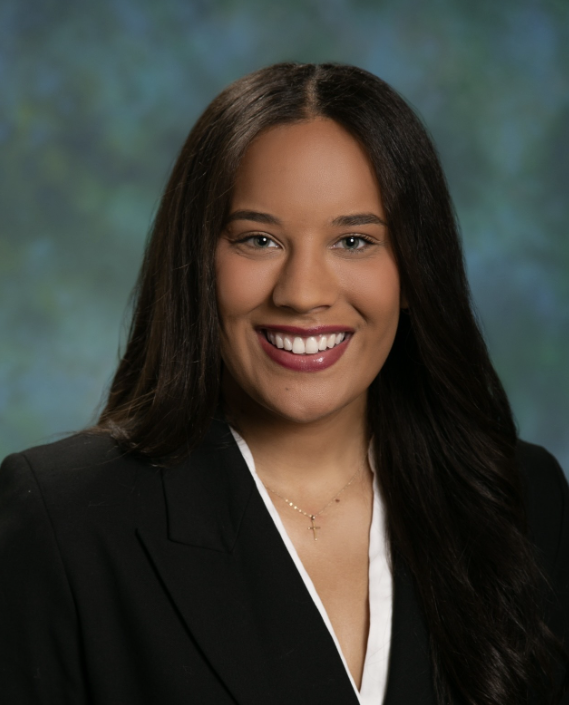 Machia Mullens is a third-year law student at the University of Colorado Law School with a focus on sports law and athlete advocacy. Drawing on her experience as a former Division I student-athlete, she has worked on NIL, revenue sharing, and compliance matters through law firms, CU Athletics, and the CU Law's NIL Practicum. She currently serves as a law clerk at The Harris Law Firm and will join the firm full-time as a sports attorney after graduation.