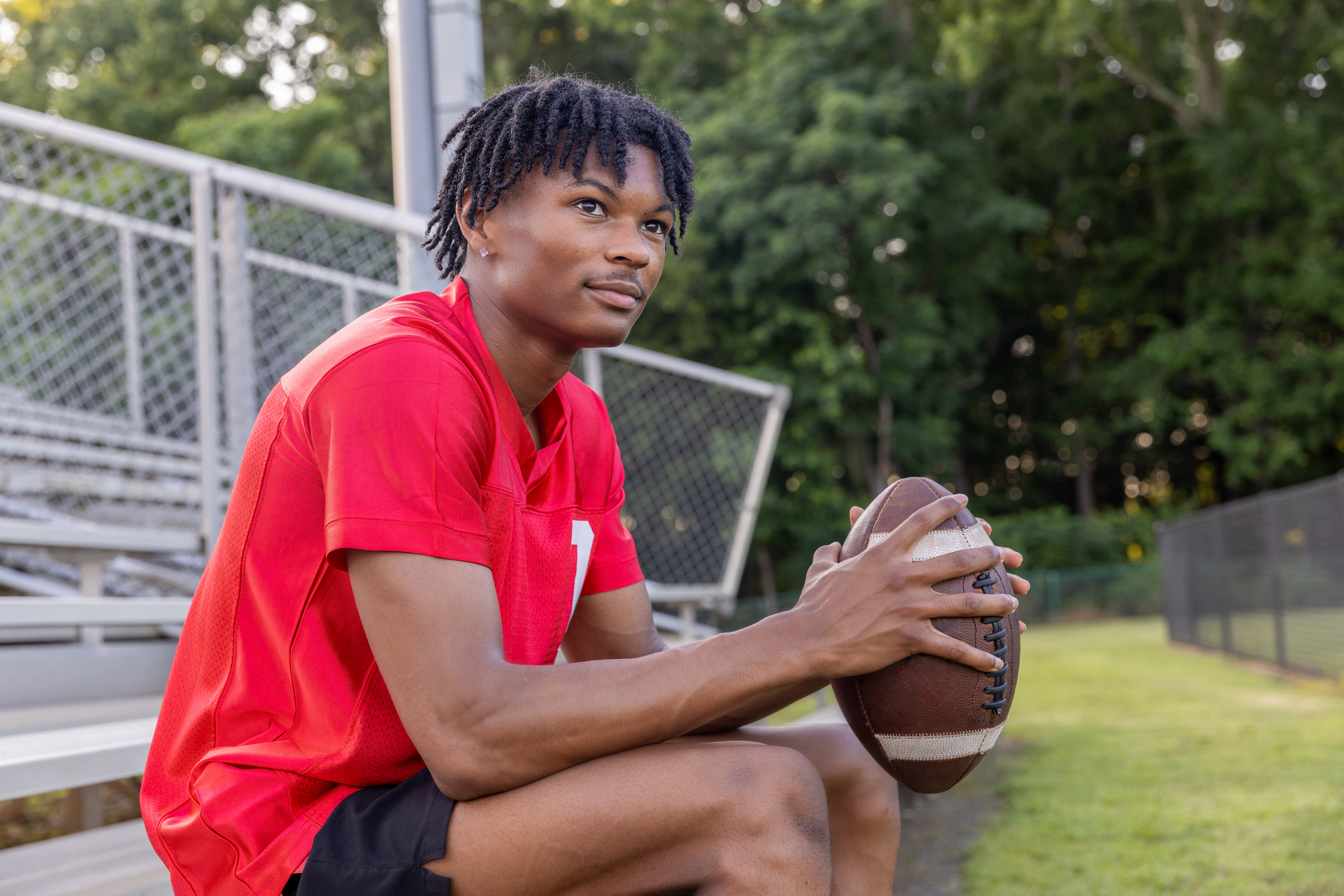
For many student-athletes, Name, Image, and Likeness (NIL) opportunities can seem limited to high-profile programs, nationally televised teams, and revenue-generating sports. But the reality is far more encouraging: impactful and profitable NIL deals are being built every day by athletes in non-revenue sports and at smaller institutions.
While conference affiliation can influence the accessibility and volume of NIL opportunities, it is not the determining factor in long-term success. What ultimately matters is the athlete’s ability to create authentic connections, maintain local relevance, and strategically execute deals.
NIL, at its core, is about influence and that influence is often strongest closest to home. This blog explores how student-athletes can leverage their local communities, social media presence, and personal interests to create meaningful and sustainable NIL opportunities regardless of school size or sport.
Local Brands: The Foundation of NIL Success
Student-athletes outside major programs often possess a powerful and often overlooked advantage: strong, community-based recognition. While national brands typically prioritize scale and reach, local businesses place greater value on trust, authenticity, and direct community connection—areas where hometown athletes naturally standout.
Rather than focusing exclusively on national endorsements, student-athletes should shift their attention toward local businesses that are embedded in their communities. Local businesses offer distinct advantages in NIL marketing that national brands often cannot match, particularly in terms of access and meaningful community impact. These partnerships also tend to give student-athletes greater creative control, enabling them to cultivate a loyal, supportive fan base that extends beyond digital impressions.
Athletes who are actively involved in their communities, whether through coaching youth teams, participating in local events, or training in familiar spaces, carry significant influence in those environments. While that influence may not always translate to national visibility, it often leads to stronger engagement, more authentic partnerships, and sustainable NIL success at the local level.
Social Media: Build Your Digital Resume
Social media remains the most accessible and scalable NIL tool available to student-athletes, regardless of school size or sport. However, success is not dictated by follower count alone; it is driven by consistency, authenticity, and engagement.
This is especially valuable for athletes in non-revenue sports or at smaller programs, where traditional media exposure and national visibility may be limited. Social media allows these athletes to control their own narrative and create visibility that their sport or school may not otherwise provide. In effect, it levels the playing field by giving them direct access to fans, brands, and opportunities without relying on institutional exposure.
Additionally, brands are increasingly prioritizing micro-influencers, individuals with smaller but highly engaged audiences, because they tend to drive stronger and more authentic connections. This trend particularly benefits athletes outside of major revenue sports, as it shifts the focus away from sheer scale and toward engagement and authenticity.
An athlete’s social media presence is more than just a platform; it serves as a digital resume and a powerful negotiating tool in NIL discussions, enabling athletes from any program or background to showcase their value.
Thinking Beyond Traditional NIL Deals
The most effective NIL strategies extend beyond traditional apparel or equipment endorsements. Instead, they reflect an athlete’s broader identity, including their cultural background, interests, and values beyond competition.
A strong example of this principle is Jocelyn Alo of the Oklahoma Sooners’ softball team. Competing in a sport that does not traditionally generate significant revenue, Alo has become one of the most marketable athletes in the NIL era. As the NCAA’s all-time home run leader, she paired elite on-field performance with a clear, marketable identity — the “Home Run Queen”.
In addition to cultivating her on-field identity, Alo has strategically expanded her NIL portfolio by pursuing partnerships that align with her cultural heritage. Originally from Hawaii, she has embraced her role as a hometown hero, partnering with brands that reflect her interests and community. Through collaborations with Waiakea Water, a company closely tied to Hawaii’s culture and sustainability values, Alo reinforces her authenticity while maintaining a strong connection to her roots.
By intentionally aligning partnerships with her cultural identity, Alo has distinguished herself in a competitive NIL landscape. Rather than pursuing generic opportunities, she has focused on collaborations that are both meaningful and authentic. Her approach underscores a key principle of NIL success: it is not driven by the size of the platform, but by the ability to strategically leverage who you are, where you come from, and what you represent.
Redefining What It Means to Win in NIL
The NIL landscape is not reserved for the few—it is accessible to the many. For student-athletes competing in non-revenue sports or at smaller programs, success is not dependent on national exposure, but on how effectively you leverage your community, your story, and your individuality.
Being a “hometown hero” is not a limitation, it is a strategic advantage. Athletes who embrace their local influence and build authentic connections are often positioned to create opportunities that are both meaningful and sustainable. NIL, when approached thoughtfully, becomes more than endorsement deals, it becomes a platform to build a lasting personal brand and long-term professional opportunities.
At Harris Law Firm, our NIL Agent, Machia Mullens, works directly with student-athletes to identify, structure, and maximize these opportunities. As a former Division I student-athlete at University of Missouri-Kansas City, she understands firsthand how to build NIL value in conferences and programs that do not receive national attention. Whether you are just beginning to explore NIL or looking to expand your current opportunities, our team is positioned to help you approach NIL strategically. Contact us today.
About the Author
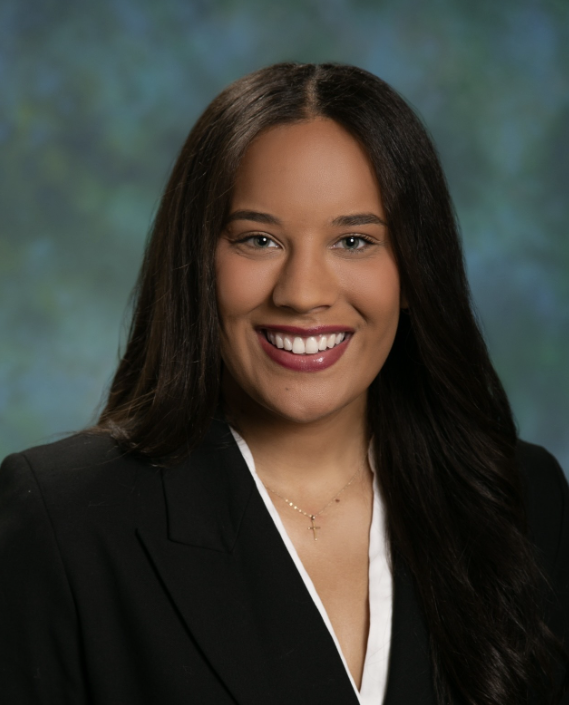 Machia Mullens is a third-year law student at the University of Colorado Law School with a focus on sports law and athlete advocacy. Drawing on her experience as a former Division I student-athlete, she has worked on NIL, revenue sharing, and compliance matters through law firms, CU Athletics, and the CU Law NIL Practicum. She currently serves as a law clerk at The Harris Law Firm and will join the firm full-time as a sports attorney after graduation.