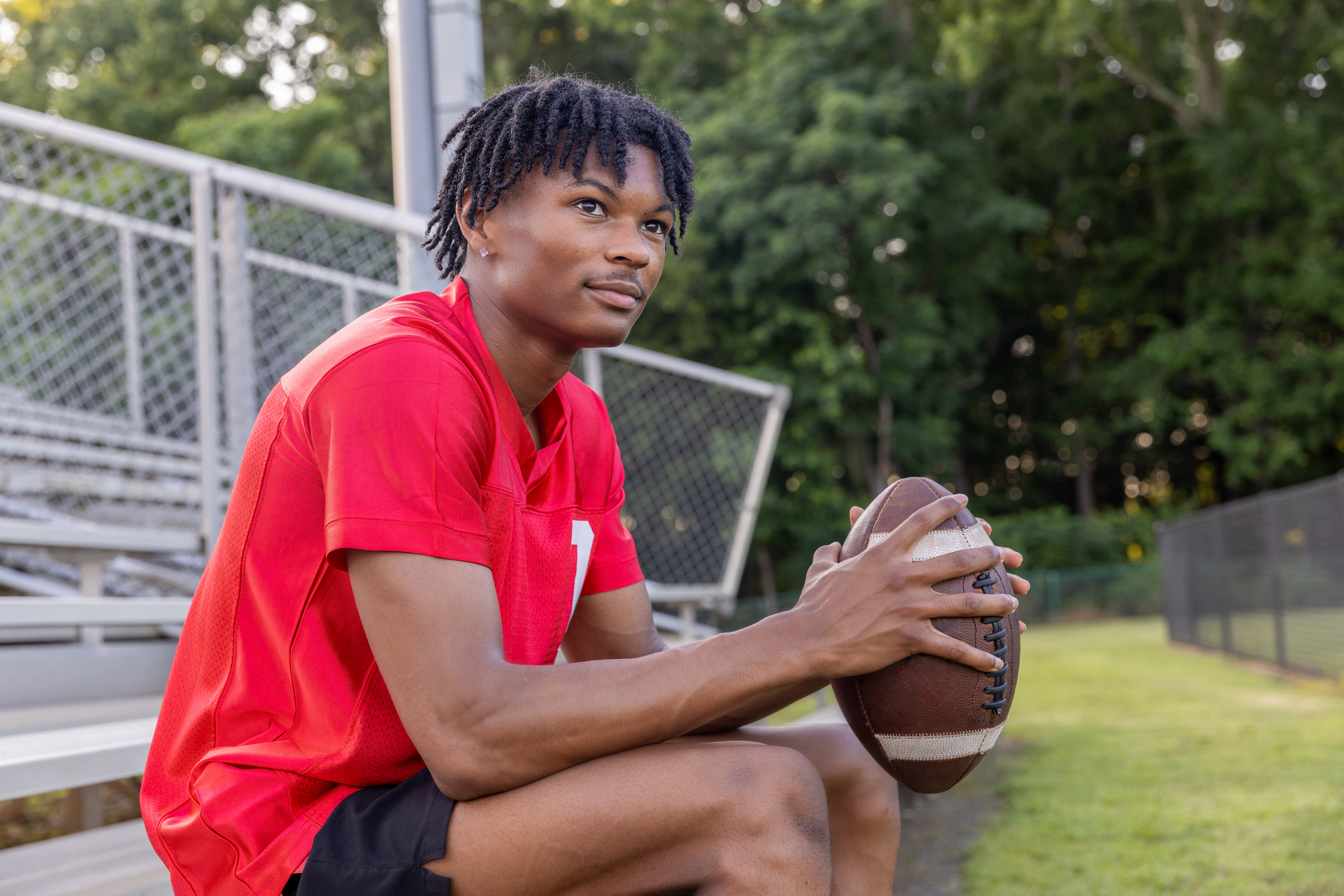
The rise of Name, Image, and Likeness (NIL) rights has created unprecedented opportunities for student-athletes to monetize their personal brands. Alongside this shift, a growing ecosystem of NIL-focused platforms has emerged to help athletes connect with brands, manage deals, and expand their visibility.
This blog examines how NIL applications are reshaping the marketplace by opening doors to new opportunities for student-athletes, while addressing why legal counsel remains essential to protect the value of those opportunities.
How NIL Platforms Are Reshaping Athlete Opportunities
NIL platforms have become integral to how student-athletes identify and secure commercial opportunities. What was once a fragmented and relationship-driven process has evolved into a streamlined, technology-enabled marketplace that connects athletes and brands through centralized platforms and data-driven insights.
Applications such as Opendorse, INFLCR, and MOGL allow athletes to browse and pursue NIL opportunities directly. Through these platforms, brands can post campaigns, define deliverables, and evaluate athletes based on metrics such as audience demographics, engagement, and marketability. As a result, athletes gain direct access to paid opportunities, increased transparency in deal structures, and reduced reliance on traditional intermediaries.
In addition to marketplace functionality, other platforms including Postgame and Athliance focus on brand development and content management. These tools assist athletes in cultivating a consistent digital presence by providing analytics, content scheduling capabilities, and educational resources related to NIL compliance and best practices.
Certain platforms also incorporate compliance and deal management features. For example, INFLCR offers disclosure tools that help athletes meet institutional and conference reporting requirements, while also allowing them to track deliverables, store agreements, and manage communications in a centralized system.
The Benefits and Limitations of NIL Technology
There is little doubt that NIL technology has lowered the barriers to entry for student-athletes seeking to participate in the NIL marketplace. Opportunities are no longer limited to high-profile athletes or major programs; instead, local partnerships, niche endorsements, and community-based collaborations are now more readily accessible.
However, these platforms are designed to facilitate transactions, not to protect legal rights. While they can efficiently connect athletes with opportunities, they do not provide substantive legal analysis or advocacy. Most platforms do not negotiate contract terms, assess whether compensation reflects fair market value, or identify potential legal risks embedded within agreements. Even where certain platforms offer basic contract review tools or standardized term analysis, those features are inherently limited. They are typically automated, lack context-specific judgment, and are not tailored to the athlete’s individual circumstances, long-term brand strategy, or applicable legal obligations.
In essence, these platforms enable athletes to find opportunities, but they do not ensure that those opportunities are structured, negotiated, or enforced in the athlete’s best interest.
Why Legal Review Still Matters
Regardless of how an NIL opportunity is sourced, the resulting agreement is a binding legal contract. While NIL platforms are effective at connecting athletes with opportunities, they do not fully evaluate or protect the legal and financial interests at stake. Even where certain platforms attempt to assess legal or financial risks they often lack the context-specific judgment necessary to account for an athlete’s individual circumstances, long-term brand strategy, and evolving regulatory obligations. Without careful, individualized review, student-athletes may unknowingly accept terms that restrict future opportunities, diminish the value of their brand, or expose them to liability.
One of the most common areas of concern involves licensing rights. NIL agreements frequently grant brands the ability to use an athlete’s name, image, and likeness, but without clearly defined limitations on duration, geographic scope, and permitted use, those rights may extend well beyond the intended purpose of the deal. This can result in a loss of control over how an athlete’s identity is used long after the agreement has ended.
Exclusivity provisions present similar risks. Certain contracts restrict an athlete’s ability to work with competing brands, and in some cases, these restrictions may extend into unrelated industries. If not properly negotiated, such provisions can significantly limit an athlete’s future earning potential.
Compensation terms also require close attention. Payment structures are not always straightforward and may include delayed payment schedules, performance-based conditions, or clawback provisions requiring repayment under specified circumstances. Understanding how compensation is earned, when it is paid, and what conditions may affect it is essential to protecting the value of any NIL deal.
In addition, compliance remains a complex and evolving issue. Although some platforms provide general compliance tools, they cannot account for the nuances of state laws, institutional policies, or applicable regulatory frameworks. A misstep in this area can have serious consequences, including impacts on eligibility.
For these reasons, legal counsel remains essential. An experienced sports attorney can provide individualized analysis, negotiates on the athlete’s behalf, and ensures that each agreement is not only compliant, but strategically aligned with the athlete’s long-term interests.
Conclusion
NIL applications have fundamentally transformed the landscape of collegiate athletics by making opportunities more accessible and brand-building more manageable. These tools are valuable resources, particularly for athletes entering the NIL space. However, increased access does not eliminate risk. Before entering into any agreement, student-athletes should ensure they fully understand the legal and practical implications of the terms involved.
Ultimately, it is the combination of innovative technology and informed legal guidance that positions athletes for sustained success in the evolving NIL marketplace. If you are using an app to identify potential NIL deals, the team at Harris Law Firm can assist in evaluating those opportunities to ensure they align with your long-term goals, while also explaining key terms and assessing any associated legal or financial risks. Contact us today to learn more about how we can help.
About the Author
 Machia Mullens is a third-year law student at the University of Colorado Law School with a focus on sports law and athlete advocacy. Drawing on her experience as a former Division I student-athlete, she has worked on NIL, revenue sharing, and compliance matters through law firms, CU Athletics, and the CU Law NIL Practicum. She currently serves as a law clerk at The Harris Law Firm and will join the firm full-time as a sports attorney after graduation.