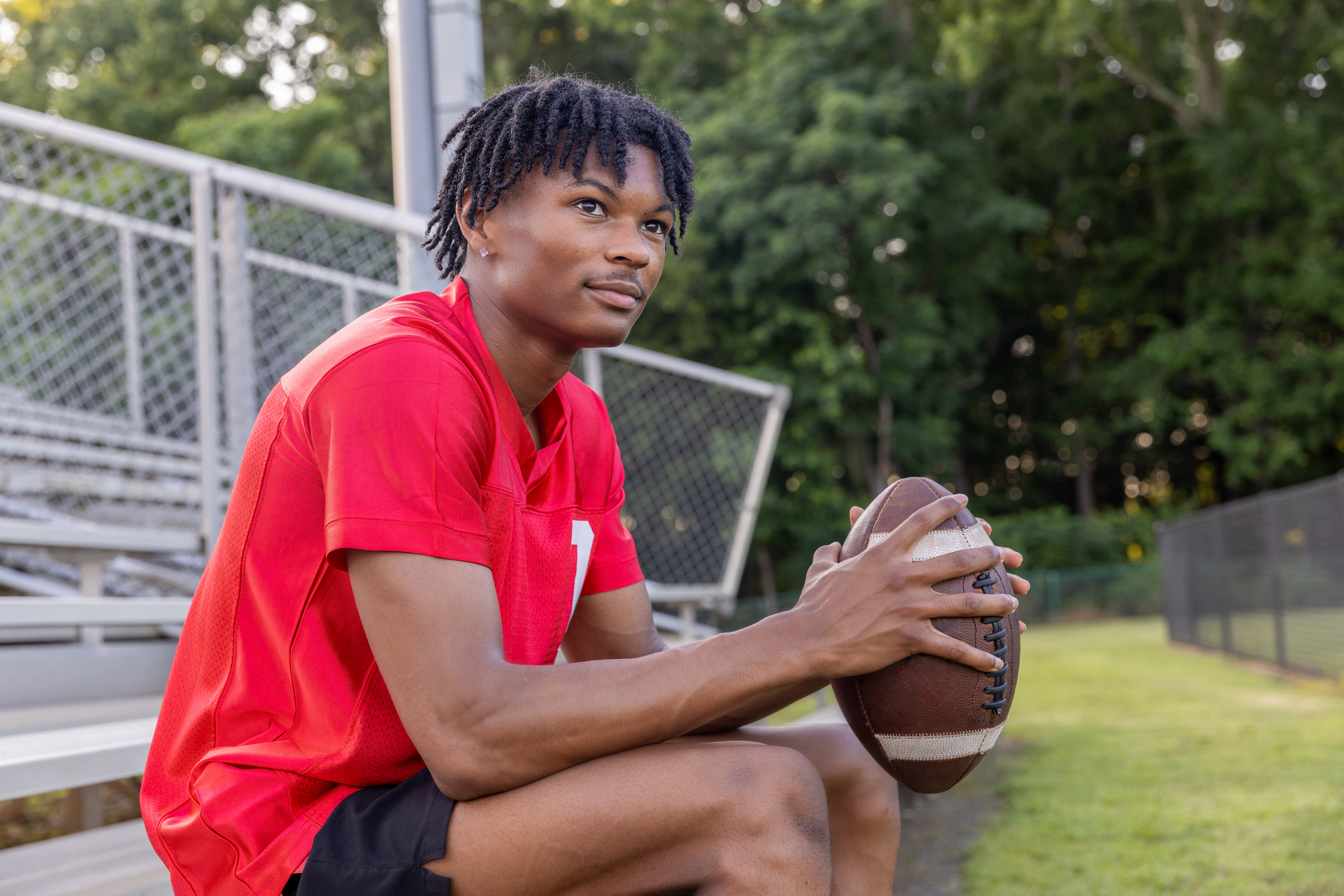
As summer travel sports begin, families are tasked with navigating a youth sports landscape that has evolved significantly in recent years. What was once primarily a pathway for athletic development and college recruiting now operates within a broader framework that includes media exposure, personal branding, and emerging Name, Image, and Likeness (NIL) opportunities.
For parents, understanding how these dynamics intersect is critical. This article provides an overview of the current landscape and outlines key legal and practical considerations as student-athletes participate in summer travel sports and begin to explore NIL opportunities.
The Expanding Role of AAU and Travel Sports
AAU and summer travel programs have become integral to the modern recruiting pipeline. Participation in national tournaments, regional showcases, and elite circuits offer meaningful exposure to college coaches, scouts, and now brand representatives. These environments often mark the beginning of recruiting relationships, heightened social media visibility, and the early development of an athlete’s personal brand.
With this increased exposure, however, comes added complexity. Student-athletes are no longer solely competing for athletic advancement; they are also developing a public profile that may carry commercial value.
NIL Opportunities for High School Athletes in Colorado
High school athletes in Colorado may now engage in certain NIL activities, subject to applicable rules and limitations. These opportunities can include endorsement agreements, social media monetization, and participation in camps, clinics, or promotional appearances.
At the same time, governing frameworks—such as those established by the Colorado High School Activities Association (CHSAA)—impose important restrictions. These include limitations on the use of school-affiliated intellectual property, prohibitions on deals connected to the athlete’s high school, and compliance requirements designed to preserve eligibility. Because these rules continue to evolve, careful review and ongoing awareness are critical before entering into any arrangement.
Summer travel seasons are often the point at which NIL opportunities first arise. Increased visibility at tournaments and showcases may lead to sponsorship inquiries, social media collaborations, or invitations to participate in camps and clinics. Although these opportunities may appear informal, they are frequently governed by contractual terms. Even limited engagements may include provisions addressing compensation, exclusivity, and the scope of usage rights. Accordingly, families should carefully evaluate the source of the opportunity, whether terms have been formalized, and how the athlete’s name, image, and likeness will be used.
Key Legal Considerations
As student-athletes begin engaging in NIL activities, parents play a central role in oversight. Agreements, regardless of size, may impose binding obligations relating to deliverables, timelines, compensation, and long-term usage rights. Without proper review, these terms may extend beyond the intended scope of the opportunity.
Intellectual property considerations are particularly significant. NIL agreements often define how an athlete’s identity may be used, and overly broad grants of rights can limit future opportunities. Maintaining eligibility at both the high school and collegiate levels is also critical, as violations of governing body rules may have lasting consequences. In addition, the intersection of NIL activity and recruiting remains closely scrutinized, and families should approach arrangements that could be interpreted as inducements with caution.
A common misconception is that legal counsel becomes necessary only at the collegiate or professional level. In practice, early-stage decisions can have long-term implications for an athlete’s brand, eligibility, and earning potential. Engaging experienced counsel allows families to evaluate and structure opportunities appropriately, ensure compliance, and protect the athlete’s rights.
Conclusion
AAU and summer travel sports remain essential pathways for athletic and academic advancement. They now also serve as early entry points into the NIL landscape, presenting both opportunity and complexity for high school athletes.
By understanding the governing framework, maintaining compliance, and approaching opportunities with informed judgment, families can better position student-athletes for long-term success both in recruiting and in building a sustainable and protected personal brand.
For families with high school athletes considering NIL opportunities, experienced legal guidance can be critical. The Harris Law Firm is available to assist in evaluating, structuring, and negotiating NIL agreements to ensure they align with the athlete’s long term goals while protecting their rights and eligibility. Contact us today to learn more.
About the Author
 Machia Mullens is a third-year law student at the University of Colorado Law School with a focus on sports law and athlete advocacy. Drawing on her experience as a former Division I student-athlete, she has worked on NIL, revenue sharing, and compliance matters through law firms, CU Athletics, and the CU Law NIL Practicum. She currently serves as a law clerk at The Harris Law Firm and will join the firm full-time as a sports attorney after graduation.